


A panic attack can make an ordinary moment feel frighteningly unsafe. You may be driving, standing in a queue, trying to sleep or simply sitting on the sofa when your heart starts racing, your chest feels tight and your thoughts leap straight to the worst-case scenario. If you are searching online for “help for panic attacks Manchester”, you are probably not looking for a lecture. You want to know that this can get better, and that someone will take what you are feeling seriously.
Panic is exhausting. Many people cope brilliantly on the outside while quietly planning their days around the possibility of another attack. They avoid certain shops, busy places, motorways, meetings, exercise, being alone or even going to bed because they are worried about what might happen. None of that means you are weak, dramatic or beyond help. It means your nervous system has become stuck on high alert.
What a panic attack can feel like
A panic attack is a sudden surge of intense fear or discomfort. It can bring physical symptoms such as a pounding heart, breathlessness, shaking, dizziness, sweating, nausea, tingling, a dry mouth or a feeling that you might faint. Some people feel detached from themselves or their surroundings. Others are convinced they are having a heart attack, losing control or about to die.
The symptoms are real, even when there is no immediate danger. Your body has switched into its threat response, releasing a burst of adrenaline designed to help you fight, flee or freeze. The trouble is that the alarm can go off when there is nothing to run from.
That explanation can feel hard to believe in the middle of an attack. Your rational brain may know you are safe, while every part of your body is shouting otherwise. This is why being told to “just calm down” is rarely helpful. Panic needs understanding, not a telling-off.
Help for panic attacks in Manchester starts with safety
If you have new, severe or worrying symptoms, especially chest pain, fainting, symptoms that feel different from previous panic attacks, or thoughts of harming yourself, seek urgent medical help. It is always sensible to have concerning physical symptoms checked rather than assuming they are anxiety.
Once medical causes have been considered, it can help to remember that panic attacks do pass. They usually peak and ease, even though they may feel endless at the time. The aim is not to force the feeling away immediately. Trying to wrestle panic into submission can accidentally convince your brain there is something dangerous happening. A gentler approach is to help your body receive the message that the wave will pass.
What to do during a panic attack
Start by naming what is happening, quietly if you can: “This is panic. It feels awful, but it will pass.” That small sentence creates a little distance between you and the frightening story your mind is telling.
Then bring your attention to the room. Notice the pressure of your feet on the floor, the texture of your clothes, three things you can see and two sounds you can hear. You are not trying to distract yourself perfectly. You are giving your brain evidence that you are here, in the present, rather than in the catastrophe it is predicting.
Breathing can help too, but there is no need for big, dramatic breaths. If you are already breathing quickly, focus on a soft, unhurried out-breath. You might breathe in comfortably, then let the out-breath be a little longer. The goal is not to get it exactly right. It is simply to reduce the sense of struggle.
If possible, stay where you are for a short while rather than rushing away the moment the panic rises. This is not about forcing yourself into an unbearable situation. It is about helping your brain learn that panic can rise and fall without an escape being needed. That learning can be powerful over time.
Why panic attacks keep coming back
A first panic attack can happen during a stressful patch, after poor sleep, illness, grief, a big life change, too much caffeine or alcohol, or seemingly out of the blue. Afterwards, it is often the fear of another attack that keeps the cycle going.
You notice a normal sensation, perhaps a flutter in your chest or feeling a bit light-headed. Your mind remembers the last attack and interprets the sensation as danger. Anxiety rises, your body responds, and the stronger symptoms then seem to confirm your fear. Before long, you are monitoring every breath and heartbeat.
Avoidance can bring short-term relief, which is why it is so tempting. But if you stop going to places, driving, exercising or spending time alone because you fear panic, your world can gradually shrink. Recovery usually involves understanding your particular pattern and gently building confidence in the situations your anxiety has claimed.
Therapy is not about pretending you are fine
Talking therapy can give you space to understand what sits underneath the panic, whether that is long-running stress, health worries, difficult experiences, perfectionism, people-pleasing, poor sleep or a fear of losing control. There is no single cause for everyone, so a one-size-fits-all answer rarely feels convincing.
A supportive therapist can help you recognise early signs of anxiety, question the frightening predictions that fuel panic, and practise ways to settle your nervous system. Therapy may also include practical work around sleep, routines, boundaries and the situations you have started to avoid. Progress is often less about never feeling anxious again and more about knowing, deep down, that you can handle the feeling when it arrives.
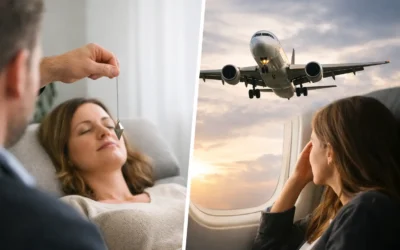
For some people, hypnotherapy can be a useful part of this work. It is not mind control, and you do not lose awareness or hand over control to somebody else. Used alongside psychotherapy and an understanding of how the brain responds to threat, it can help people practise calm more deeply and challenge unhelpful automatic patterns. It is not a magic switch, and it is not right for every person or every situation, but many people value it as part of a tailored approach.
At Emma Newman Hypnotherapy, support is shaped around the person in front of you rather than a script. Sessions can be face to face in Middleton, within easy reach of Manchester and surrounding areas, or by video if that feels more manageable. For someone who has started avoiding travel or finds the thought of a waiting room stressful, beginning online can be a genuinely helpful first step.
Small changes between sessions can add up
When panic is frequent, life can become very small very quickly. It can be tempting to overhaul everything at once, but that usually adds another job to an already overloaded mind. Smaller, repeatable changes tend to be kinder and more sustainable.
Try to notice patterns without judging them. Keep a brief note of when panic appears, what was happening beforehand, how you slept, whether you had eaten, and what your mind was predicting. This is not about becoming more watchful of your body. It is about spotting the wider context so panic feels less random and mysterious.
Regular meals, enough water, steadier sleep and reducing stimulants can all make a difference for some people. Caffeine, nicotine, alcohol and exhaustion do not cause panic for everybody, but they can make physical sensations more noticeable. It is worth approaching changes with curiosity rather than strict rules.
It also helps to choose one avoided situation and make it manageable. Perhaps that means standing outside the shop for two minutes, taking a short bus journey with support, or sitting through the first ten minutes of a meeting. Celebrate the attempt, not just whether you felt perfectly calm. Confidence grows when your brain sees you doing something difficult and getting through it.
You do not have to wait until it gets worse
People often seek help only once panic is affecting work, relationships, parenting, sleep or their ability to leave the house. You do not need to reach breaking point before asking for support. Equally, if you have been living with panic for years, it is not too late for things to change.
A first conversation does not commit you to anything. It can simply be a chance to explain what has been happening, ask questions and see whether the approach feels right for you. Feeling comfortable with the person supporting you matters. You deserve a space where you can speak plainly, cry if you need to, ask awkward questions and occasionally laugh at the strange things anxiety persuades us to do.
Panic can be loud, convincing and deeply unpleasant, but it is not a life sentence. With the right support and a little patience, it is possible to feel calmer, trust your body again and make your life bigger than your fear.


0 Comments